24_05

31 May 2024 - Daily Reflection - Homily

 The Joy of Divine Encounter: Reflecting on Luke 1:39-56

Luke 1:39-56 recounts the visitation of Mary to Elizabeth, an event filled with profound joy and divine revelation. Elizabeth's greeting to Mary and Mary's subsequent Magnificat highlight the wonder of God's actions and the humble recognition of His grace at work.

  1. Mary’s Visit to Elizabeth: Mary, having received the angel Gabriel’s message that she will bear the Son of God, quickly goes to visit her relative Elizabeth. This journey signifies Mary’s desire for companionship and confirmation of the miraculous news she has received. The meeting of these two expectant mothers becomes a moment of deep spiritual significance.

  2. Elizabeth’s Spirit-filled Greeting: Upon hearing Mary’s greeting, Elizabeth is filled with the Holy Spirit and her baby leaps in her womb. Elizabeth’s exclamation, “And how does this happen to me, that the mother of my Lord should come to me?” reflects her humility and awe. She recognizes the profound honor of being in the presence of the mother of the Messiah and the work of God in their lives.

  3. The Joy of Recognition: Elizabeth’s joyful acknowledgment of Mary’s blessedness underscores the importance of recognizing and celebrating God’s work in others. Her response is filled with joy, faith, and humility, highlighting the blessedness of those who believe in God’s promises.

  4. Mary’s Magnificat: In response, Mary offers a song of praise, the Magnificat (Luke 1:46-55). This beautiful hymn reflects Mary’s deep faith and understanding of God’s mercy and power. She magnifies the Lord for His mighty deeds, His mercy to those who fear Him, and His faithfulness to His promises. Mary’s song is a profound declaration of God’s preferential option for the humble and the oppressed, and His overthrow of the proud and powerful.

  5. The Themes of Humility and Reversal: Both Elizabeth’s greeting and Mary’s Magnificat highlight the themes of humility and divine reversal. God’s grace is bestowed upon the humble and lowly, while the proud and mighty are brought down. This emphasizes the upside-down nature of God’s kingdom, where true greatness is found in humility and service.

Luke 1:39-56 invites us to reflect on the joy and wonder of God’s work in our lives and in the lives of others. It challenges us to recognize and celebrate God’s actions with humility and gratitude, following the examples of Mary and Elizabeth. Their encounter is a beautiful reminder of the joy that comes from faith and the recognition of God’s presence among us.

Prayer:
Heavenly Father, we thank You for the joyful encounter between Mary and Elizabeth, and the profound lessons it teaches us about humility, faith, and divine grace. Help us to recognize Your work in our lives and in the lives of others with the same joy and humility. May we, like Mary, magnify Your name and rejoice in Your faithfulness and mercy. Amen.

.-------------

What is the meaning of Luke 1 39 56?
Mary reveals God's activity in our world. God scatters the arrogant, pulls down the mighty, and sends the rich away empty. This is not to punish them but to shock them into a change of heart and behavior towards the poor. Only the lowly and oppressed are promised eternal joy with God.

What are the lessons from Mary's visit to Elizabeth?
So there you have it: three simple but very important lessons from the Visitation: Real love is self-sacrificial; what's in the womb after conception is a human life; and we're called as Christians to bring Jesus to others (like Mary did) and to recognize the presence of Jesus in others (like Elizabeth did).

What does Luke 1:39-45 teach us?
Maybe this teaches us that we don't need to see God working in the world or solving our personal problems before we can leap for joy. We don't have to understand what God is doing, or even know his plans. The joy that we receive, which comes from recognizing the presence of Christ, is God's Christmas gift to us.

Why did Mary visit Elizabeth in the Bible?
Mary goes to visit her cousin Elizabeth when both of them are expecting their babies. Elizabeth's baby “leaped in her womb” when Mary entered the house and called a greeting. This incident shows that even though they are not yet born, John acknowledges the superiority of Jesus and recognizes that Jesus is God's son.

What are the lessons from the life of Elizabeth in the Bible?
Elizabeth testifies to all of us that faithfulness does not go unseen by our God, nor unrewarded. In all her years of waiting, of wondering, of serving, and worshiping in faith, Elizabeth may have wondered if God even saw or noticed her. The truth is, He was watching all along. She was in His view.

What did Luke 1:41 teach us about Elizabeth?
The answer lies in Luke 1:41, “Elizabeth was filled with the holy spirit.” When we have the Holy Spirit in us, our utterances no longer come from our heads but from God.
.

30 May 2024 - Daily Reflection - Homily

 The Cry for Sight: Reflecting on Mark 10:46-52

Mark 10:46-52 recounts the healing of blind Bartimaeus by Jesus as He travels through Jericho. Bartimaeus's desperate cry for sight serves as a powerful metaphor for our spiritual need for illumination and the transformative power of encountering Jesus.

  1. Bartimaeus's Cry for Help: Bartimaeus, a blind beggar, hears that Jesus is passing by and cries out, "Son of David, have mercy on me!" His cry reflects a deep awareness of his own need and a profound faith in Jesus's ability to heal him. Bartimaeus's persistence in the face of opposition from the crowd demonstrates his determination to encounter Jesus.

  2. The Recognition of Jesus: Bartimaeus addresses Jesus as the "Son of David," acknowledging Him as the long-awaited Messiah. Despite his physical blindness, Bartimaeus possesses spiritual insight, recognizing Jesus's identity and authority. His cry for sight extends beyond physical healing to a desire for spiritual illumination and understanding.

  3. Jesus's Response: Jesus stops and calls Bartimaeus to Him, asking what he wants. Bartimaeus responds with a simple yet profound request: "Master, I want to see." Jesus acknowledges Bartimaeus's faith and declares that his faith has healed him. In an instant, Bartimaeus's eyes are opened, and he follows Jesus on the way.

  4. Spiritual Insight and Transformation: Bartimaeus's physical healing symbolizes the spiritual transformation that occurs when we encounter Jesus. Like Bartimaeus, we are blind to the truth until Jesus opens our eyes and grants us spiritual sight. Through faith in Him, we gain insight into God's kingdom and experience the transformative power of His grace.

Mark 10:46-52 reminds us of the power of encountering Jesus and the transformative impact of His healing touch. It prompts us to cry out to Him in faith, acknowledging our need for spiritual sight and illumination. May we, like Bartimaeus, respond to Jesus's call and follow Him on the way, living lives transformed by His grace.

Prayer:
Lord Jesus, open our eyes to see You as Bartimaeus did, recognizing You as the Messiah and the source of our healing and transformation. Grant us spiritual insight and understanding, so that we may follow You faithfully on the way. May Your grace and mercy continue to transform our lives and lead us into a deeper relationship with You. Amen.

------------

What is the main point of mark 10 46 52?
Mark 10:46–52 describes Jesus traveling through Jericho on His way to Jerusalem and the cross. He is stopped by a blind man who wishes to be healed. The first account of Jesus healing a blind man comes directly after Jesus accuses the disciples of spiritual blindness (Mark 8:14–26)

What does the story of blind Bartimaeus teach us?
We must be willing to admit that we are blind in our sins.
Bartimaeus had to admit that he wanted to receive his sight. We too must realize that we are blind in our sins and the only way we can see is to accept the truth that Jesus is the only way.

What is the significance of the blind Bartimaeus garment?The cloak here is used as a visual cue for blind person or beggar. It was often the only source of shelter, or lay it on the ground to collect alms. Interesting that the rich man in v. 17-22 had trouble giving up his riches, but Bartimaeus immediately throws it all away.
What can we learn from Jesus healing the blind man?“By the end of this story, we see that the formerly blind man is the only one who is truly seeing. As Christians, God has opened our eyes to many truths about him- that he is the healer and that Jesus is the Son of Man. But we must not be so bold as to assume that we see all things clearly.
.

29 May 2024 - Daily Reflection - Homily

 The Servant King: Reflecting on Mark 10:32-45

In Mark 10:32-45, Jesus foretells His impending suffering and death in Jerusalem, while also teaching His disciples about true greatness in the kingdom of God. We must say “no” to our selfish desires. Jesus not only calls us to die to ourselves but to “work out” that death by serving others. He takes the systems of the world and turns them on their head. Rather than lording authority and status over others, Jesus calls his disciples to become the last and slaves of all.

  1. Jesus' Prediction of His Passion: Jesus solemnly declares His journey to Jerusalem, where He will face betrayal, suffering, and death. Despite knowing the agony that awaits Him, Jesus resolutely sets His face toward Jerusalem, demonstrating His unwavering commitment to fulfill the Father's will and redeem humanity.

  2. The Contrast of Kingdom Values: As Jesus shares about His upcoming suffering, the disciples reveal their misunderstanding of the kingdom's nature. They vie for positions of prominence and power, envisioning a kingdom characterized by worldly status and authority. Jesus, however, challenges this mindset, teaching that true greatness in God's kingdom is found in humble service and sacrificial love.

  3. The Example of Servanthood: Jesus presents Himself as the ultimate example of servanthood, declaring that even the Son of Man came not to be served but to serve and to give His life as a ransom for many. His life and ministry exemplify humility, compassion, and selflessness, inviting His followers to emulate His example in their relationships and endeavors.

  4. The Call to Servant Leadership: Jesus redefines leadership within the kingdom of God, calling His disciples to adopt a posture of servant leadership. He emphasizes that greatness is not measured by positions of authority or recognition but by one's willingness to serve others with humility and love. This challenges our cultural notions of success and power, inviting us to prioritize the needs of others above our own ambitions.

Mark 10:32-45 confronts us with the paradox of the cross and the radical call to servant leadership exemplified by Jesus. It challenges us to re-evaluate our understanding of greatness and to embrace the humble, sacrificial love that characterizes God's kingdom.

Prayer:
Lord Jesus, thank You for Your example of humble servanthood and sacrificial love. Teach us to follow Your lead in serving others with humility and compassion, even as You gave Your life as a ransom for many. May we embody Your selfless love in all that we do, reflecting Your kingdom values in our lives and leadership. Amen.
.

28 May 2024 - Daily Reflection - Homily

 
The Promise of Persecution and Eternal Life: Reflecting on Mark 10:28-31

Mark 10:28-31 captures Jesus's response to Peter's declaration of the disciples' sacrifices in following Him. In these verses, Jesus acknowledges the challenges His disciples will face, including persecution, yet promises abundant rewards both in this life and the age to come.

  1. Peter's Declaration of Sacrifice: Peter boldly proclaims the disciples' willingness to leave everything and follow Jesus. His statement reflects the commitment and sacrifice required of those who choose to follow Christ wholeheartedly. It illustrates the disciples' abandonment of worldly security for the sake of their devotion to Jesus.

  2. The Promise of Persecution: Jesus acknowledges the reality of persecution that His followers will encounter in this present age. Following Christ often entails opposition, rejection, and suffering for the sake of the gospel. Yet, far from deterring His disciples, Jesus prepares them for the challenges ahead, reminding them that persecution is an inherent aspect of discipleship.

  3. Abundant Rewards: Despite the hardships of persecution, Jesus assures His disciples of abundant rewards both in this life and the age to come. He promises a hundredfold return for every sacrifice made for the sake of the gospel. This imagery emphasizes the richness of God's blessings poured out on those who faithfully serve Him, even amidst trials and tribulations.

  4. Eternal Life in the Age to Come: Beyond the temporal blessings promised in this life, Jesus assures His disciples of eternal life in the age to come. The promise of eternal life transcends the sufferings of this present age, offering hope and assurance of a future inheritance that far surpasses any earthly reward.

Mark 10:28-31 reminds us of the cost and reward of discipleship. It challenges us to count the cost of following Jesus, knowing that it may entail persecution and suffering in this present age. Yet, in the midst of trials, we cling to the promise of abundant blessings and eternal life in the age to come, assured of God's faithfulness and provision.

Prayer:
Heavenly Father, strengthen us to follow Jesus wholeheartedly, even in the face of persecution and suffering. Grant us the courage to endure hardships for the sake of the gospel, trusting in Your promises of abundant blessings in this life and the assurance of eternal life in the age to come. May we find our hope and joy in You alone. Amen.
.

27 May 2024 - Daily Reflection - Homily

 The Challenge of Radical Generosity: Reflecting on Mark 10:17-27

Mark 10:17-27 recounts the encounter between Jesus and the rich young ruler who sought to inherit eternal life. Jesus's response to him challenges us to consider the role of wealth and possessions in our lives and the call to radical generosity in following Him.

  1. The Rich Young Ruler's Inquiry: The passage begins with a wealthy young man approaching Jesus with a question about inheriting eternal life. Despite his outward adherence to the commandments, he senses a spiritual lack within himself, prompting him to seek Jesus' guidance. His inquiry reflects a genuine desire for deeper spiritual fulfillment.

  2. Jesus' Challenge: Jesus responds to the rich young ruler's question by challenging him to go beyond mere observance of the commandments and to sell all his possessions, giving the proceeds to the poor. This directive exposes the ruler's attachment to his wealth and reveals the true condition of his heart. Jesus's intention is not to vilify wealth but to address the obstacle it poses to wholehearted discipleship.

  3. The Cost of Discipleship: Jesus's call to the rich young ruler highlights the cost of discipleship—the willingness to surrender everything for the sake of following Him. It underscores the radical nature of the gospel message, which challenges our attachments to worldly possessions and calls us to prioritize the kingdom of God above all else.

  4. The Challenge for All: While the encounter is specific to the rich young ruler, its message resonates with all who seek to follow Jesus. It prompts us to examine our own lives and consider what may be hindering us from fully committing to Christ. Whether it be wealth, possessions, or other idols of the heart, Jesus invites us to lay them down at His feet and follow Him wholeheartedly.

Mark 10:17-27 challenges us to confront our attachments to worldly wealth and possessions and to embrace a lifestyle of radical generosity and discipleship. It calls us to prioritize the kingdom of God above all else and to trust in Jesus's promise that with God, all things are possible.

Prayer:
Heavenly Father, help us to heed Jesus's call to radical discipleship and generosity. Grant us the courage to surrender all that we have and all that we are for the sake of following Him. May we trust in Your provision and find true fulfillment in seeking Your kingdom above all else. In Jesus's name, we pray. Amen.
.

26 May 2024 - Daily Reflection - Homily

 The Great Commission: Reflecting on Matthew 28:16–20

Matthew 28:16–20 records Jesus' final instructions to His disciples before ascending to heaven, commonly known as the Great Commission. In this passage, Jesus commissions His followers to make disciples of all nations, baptizing them in the name of the Father, Son, and Holy Spirit. This command remains central to the mission of the Church throughout history.

  1. The Authority of Jesus: The passage begins with a reaffirmation of Jesus' authority over heaven and earth. This establishes the foundation upon which the Great Commission is built. As disciples of Christ, we are called to carry out His commands under His divine authority, trusting in His power and guidance.

  2. The Mission of Making Disciples: Jesus instructs His disciples to go and make disciples of all nations. This expansive vision underscores the universal scope of the gospel message and the inclusivity of God's kingdom. It challenges us to engage in evangelism and disciple-making, reaching out to people from every background and culture.

  3. Baptism in the Triune Name: Baptism is a central element of Christian initiation, symbolizing the believer's identification with Christ's death, burial, and resurrection. In baptizing new disciples in the name of the Father, Son, and Holy Spirit, we acknowledge the Trinitarian nature of God and the transformative power of the gospel to reconcile humanity to God.

  4. Teaching and Obedience: Jesus instructs His disciples to teach new believers to obey everything He has commanded. Discipleship involves not only conversion but also ongoing spiritual formation and obedience to Christ's teachings. This highlights the importance of teaching, mentoring, and nurturing new believers in their faith journey.

Matthew 28:16–20 encapsulates the mission and purpose of the Church—to make disciples of all nations, baptizing them in the name of the Triune God and teaching them to obey Christ's commands. As followers of Jesus, we are called to embrace this commission with courage, faith, and obedience, trusting in His authority and empowering presence.

Prayer:
Gracious God, thank You for the privilege of participating in Your mission to make disciples of all nations. Grant us the courage and wisdom to proclaim Your gospel boldly, baptizing new believers in the name of the Father, Son, and Holy Spirit. May we faithfully teach and mentor others in obedience to Your commands, knowing that You are with us always, to the very end of the age. Amen.
.

25 May 2024 - Daily Reflection - Homily

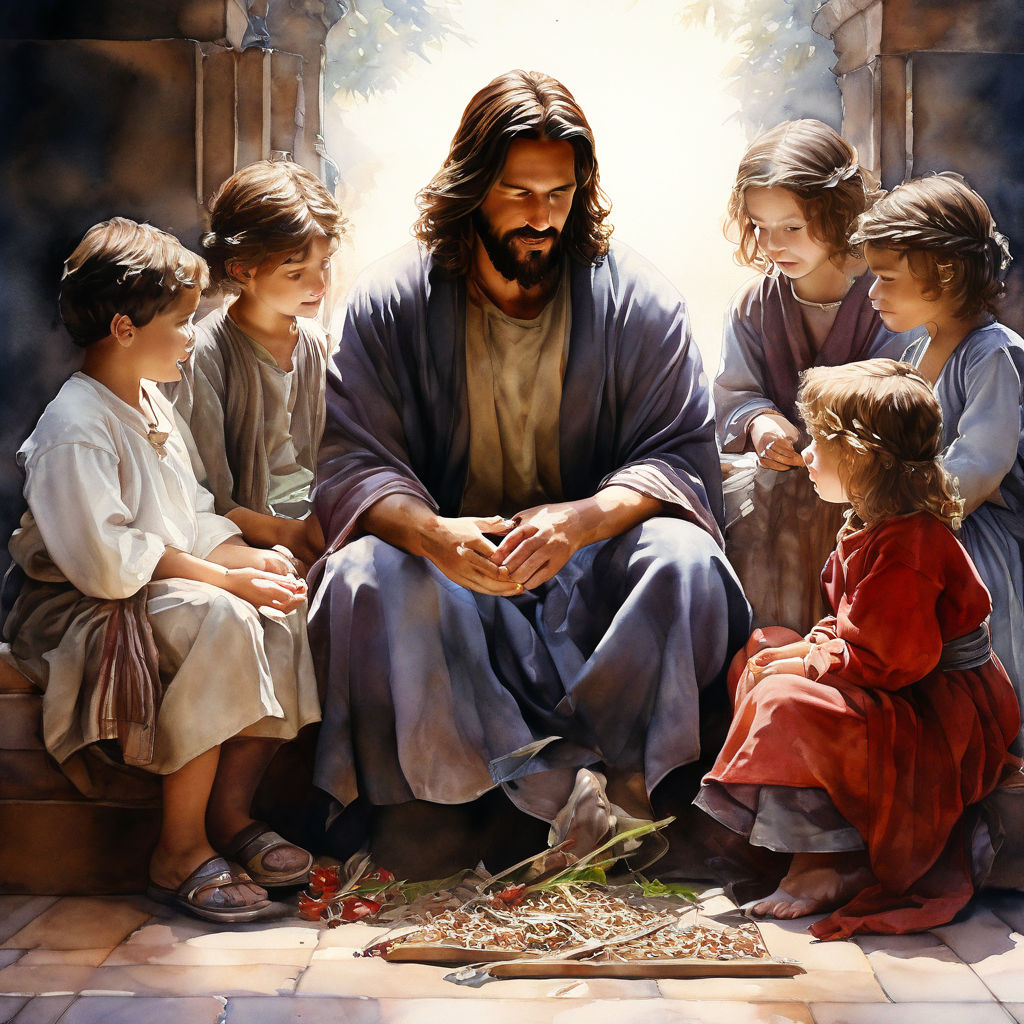
Embracing Childlike Faith: Reflections on Mark 10:13-16

Mark 10:13-16 presents a poignant moment where Jesus welcomes children and teaches his disciples about the nature of the Kingdom of God. Through this encounter, Jesus invites us to embrace the qualities of childlike faith and humility as we seek to enter into God's kingdom.

  1. Receptivity and Trust: Jesus' affirmation that the Kingdom of God belongs to children underscores the importance of receptivity and trust in our relationship with God. Children often exhibit a natural openness to receive love, guidance, and instruction. Similarly, we are called to approach God with childlike trust, believing in His goodness and grace.

  2. Humility and Dependence: Children are dependent on caregivers for their needs and protection. Likewise, Jesus highlights the value of humility and dependence in our spiritual lives. To enter the Kingdom of God, we must acknowledge our need for God's provision and surrender our self-sufficiency.

  3. Innocence and Purity of Heart: Children possess a certain innocence and purity of heart that Jesus celebrates. Their simple faith and genuine love reflect the qualities valued in the Kingdom of God. As adults, we are called to cultivate a similar purity of heart, free from cynicism, pride, and worldly distractions.

  4. Welcoming the Marginalized: Jesus' act of welcoming children into His presence challenges societal norms that may overlook or marginalize them. He demonstrates the inclusivity of God's kingdom, where all are valued and embraced regardless of social status or perceived importance. This prompts us to extend hospitality and compassion to the vulnerable and marginalized in our midst.

Mark 10:13-16 reminds us of the beauty and significance of childlike faith in our journey toward the Kingdom of God. May we cultivate receptivity, humility, and purity of heart, embracing Jesus' invitation to enter His kingdom with the innocence and trust of a child.

Prayer: 
Heavenly Father, thank You for the example of childlike faith demonstrated by the children whom Jesus welcomed. Help us to approach You with the same openness, trust, and humility, knowing that Your kingdom belongs to such as these. Grant us grace to cultivate purity of heart and to extend love and welcome to all, especially the marginalized. In Jesus' name, we pray. Amen. 

.

Popular Posts